CLASSIC SHOWCASE • Fall 2026 Newsletter
CLASSIC SHOWCASE • Fall 2026 Newsletter
The Jaguar XK120 is a car that holds a special place in automotive history. It’s widely recognized by enthusiasts and collectors for its stunning design and impressive speed, but few truly understand the role that aerodynamics played in making it an icon. While most remember the XK120 for its powerful engine and sleek looks, what often goes unnoticed is how its streamlined design was key to achieving its record-breaking performance. In the late 1940s and early 1950s, when the XK120 was developed, car design was still relatively primitive compared to today's standards. However, Jaguar’s engineers understood that aerodynamics could give the car a competitive edge—long before it became a mainstream concern in the automotive world.
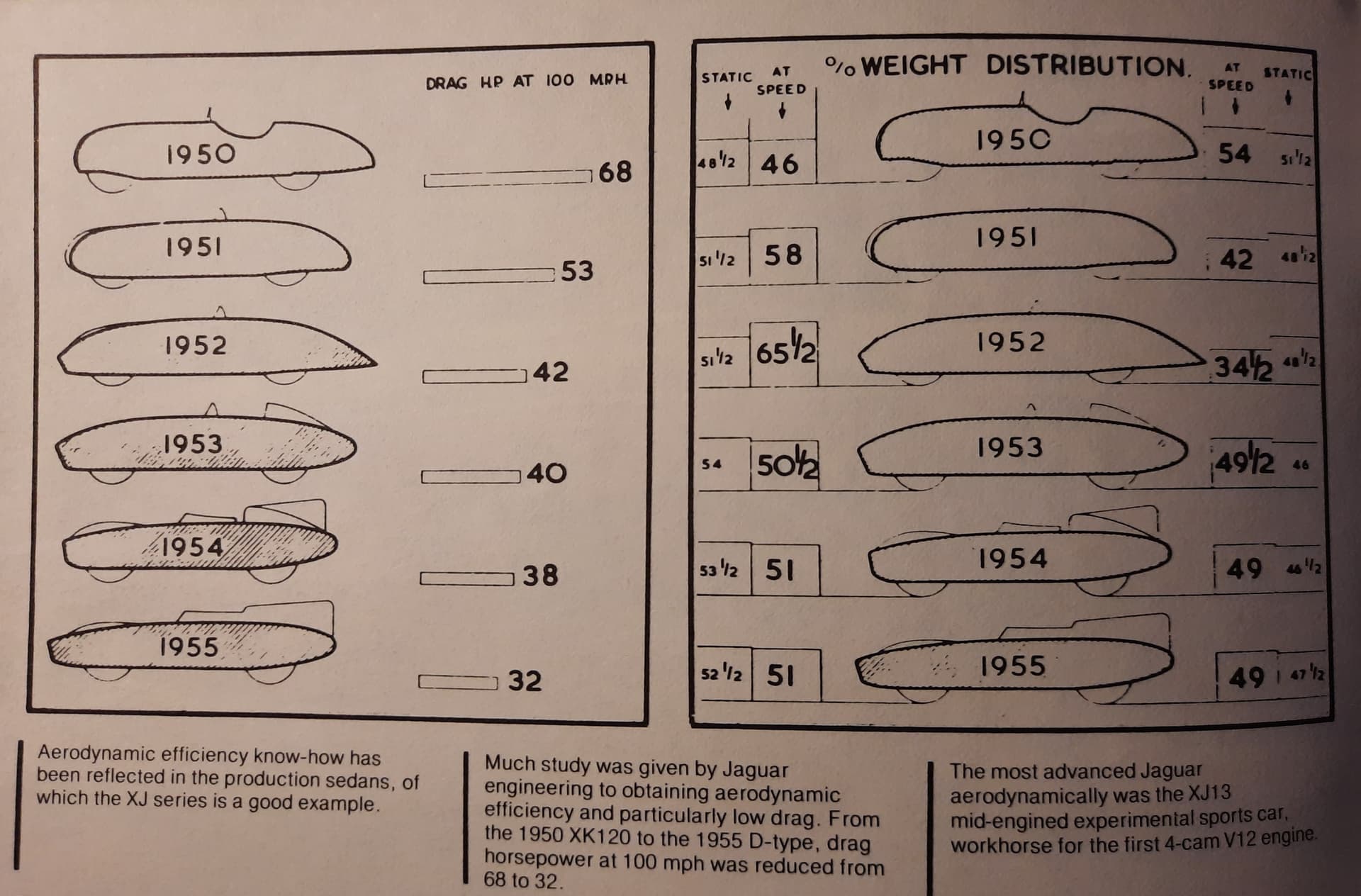
The XK120 wasn’t just another pretty face. When Jaguar unveiled it in 1948, it was the fastest production car in the world, reaching speeds of over 120 mph, hence its name. This achievement wasn’t just about horsepower. The shape of the car was designed to cut through the air with minimal resistance. Jaguar’s engineers worked to ensure the car’s rounded, teardrop shape would reduce drag, allowing it to maintain higher speeds with less effort. This design was radical at the time, and few realize how much it contributed to the car’s performance. Even the underbody was engineered to be smoother than most other cars of that era, which helped it slip through the air more efficiently.
The Jaguar XK120 is a car that holds a special place in automotive history. It’s widely recognized by enthusiasts and collectors for its stunning design and impressive speed, but few truly understand the role that aerodynamics played in making it an icon. While most remember the XK120 for its powerful engine and sleek looks, what often goes unnoticed is how its streamlined design was key to achieving its record-breaking performance. In the late 1940s and early 1950s, when the XK120 was developed, car design was still relatively primitive compared to today's standards. However, Jaguar’s engineers understood that aerodynamics could give the car a competitive edge—long before it became a mainstream concern in the automotive world.
The XK120 wasn’t just another pretty face. When Jaguar unveiled it in 1948, it was the fastest production car in the world, reaching speeds of over 120 mph, hence its name. This achievement wasn’t just about horsepower. The shape of the car was designed to cut through the air with minimal resistance. Jaguar’s engineers worked to ensure the car’s rounded, teardrop shape would reduce drag, allowing it to maintain higher speeds with less effort. This design was radical at the time, and few realize how much it contributed to the car’s performance. Even the underbody was engineered to be smoother than most other cars of that era, which helped it slip through the air more efficiently.
While most Jaguar enthusiasts admire the XK120 for its beauty and speed, few appreciate the engineering foresight that went into its aerodynamic design. The XK120’s streamlined body didn’t just make it look good—it played a crucial role in its speed and performance, setting the stage for the future of sports cars. So, next time you see this classic Jaguar, remember that its success wasn’t just about power but also about cutting-edge design principles that were decades ahead of their time.