Winter 2025 Newsletter • Volume 81
Winter 2025 Newsletter • Volume 81
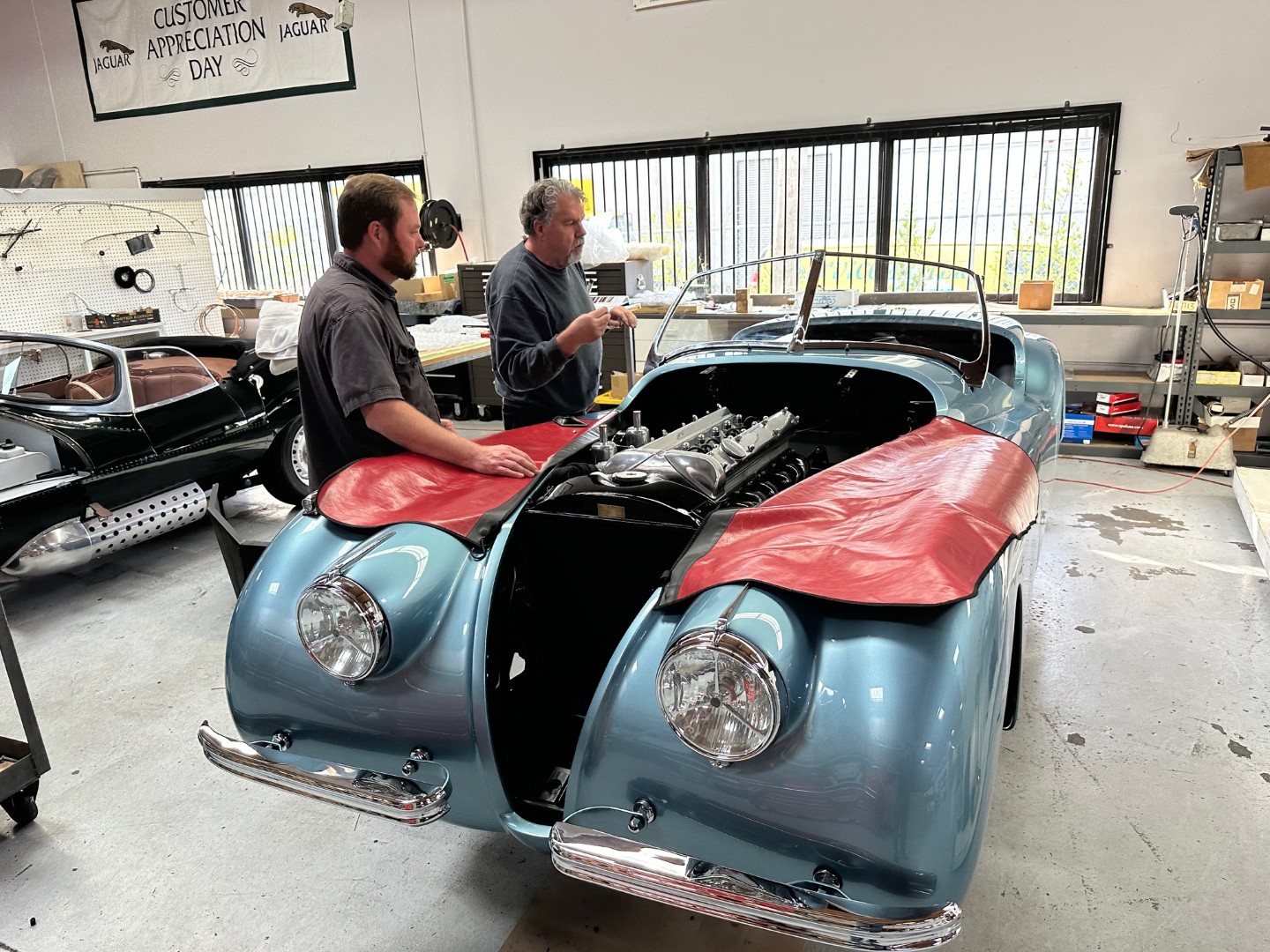
The Alloy-bodied Jaguar XK-120 occupies a unique place in sports car history, and few models have a story as compelling or as influential. Before it became a legend on road and track, the XK-120 began life as a temporary idea, a limited run created to introduce Jaguar’s new twin-cam engine. Yet the moment it appeared at the 1948 Earl’s Court Motor Show, everything changed. The lightweight aluminum roadster captured immediate international attention, reshaped Jaguar’s postwar identity, and set the foundation for the brand’s future successes in both design and motorsport.
Our 1950 XK-120 Alloy Roadster is one of these rare early cars, and its arrival in our workshop marks the beginning of a restoration effort centered on historical accuracy, craftsmanship, and respect for one of the most important Jaguars ever assembled. With only a small number of Alloy-bodied examples built before production shifted to steel, and far fewer surviving in authentic condition today, a car like this stands as a direct link to the origins of Jaguar’s modern era. Restoring such a machine is not simply a technical exercise. It is a preservation of history.
The XK-120 Alloy Roadster was born from postwar necessity. Jaguar had developed a new dual overhead-cam six-cylinder engine for a future saloon model, but the body was not yet ready. To showcase the engine, Jaguar decided to create a limited series of hand-built roadsters constructed from lightweight aluminum panels formed over wooden frames. The result was the XK-120, a car intended only for temporary display. The world had other plans. The Jaguar was an instant sensation at Earl’s Court. Its sleek shape, polished alloy body, and advanced engine created an extraordinary amount of press and public excitement. In 1949, Jaguar staged a high-speed demonstration on a Belgian highway that confirmed what people suspected. The XK-120 reached 126 miles per hour with its windscreen fitted, and 132 miles per hour without it. Demand grew rapidly, and production soon expanded into a full model line.
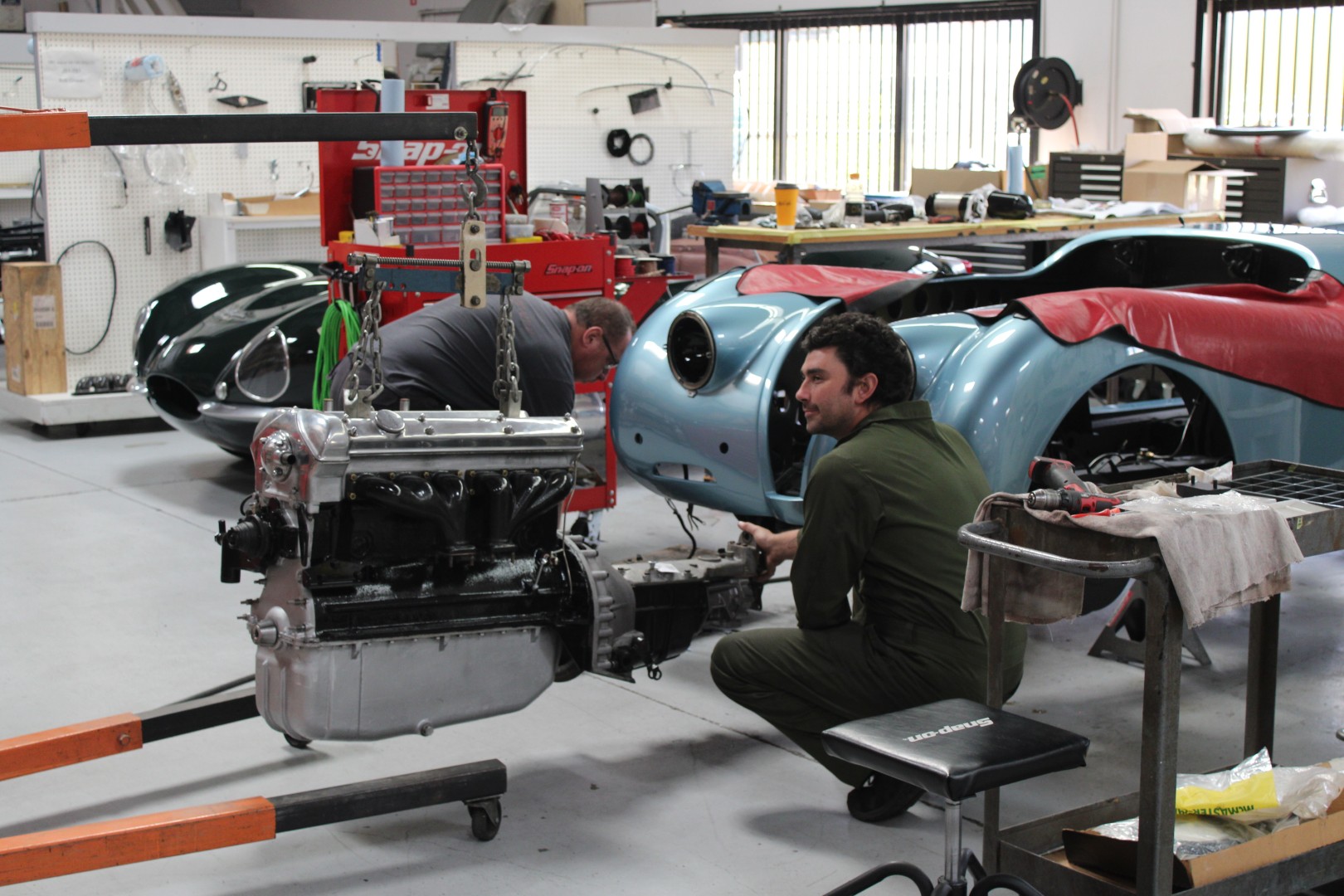
Only 242 Alloy-bodied XK-120s were built before steel bodies replaced
aluminum. Of these, 184 were left-hand-drive cars, including the
roadster now under restoration at Classic Showcase. Early Alloy cars
feature a number of details never seen again as production matured,
making them especially prized among collectors and historians.
Chassis number 670121 is a numbers-matching example that
retains several ultra-rare features exclusive to Alloy-bodied cars from
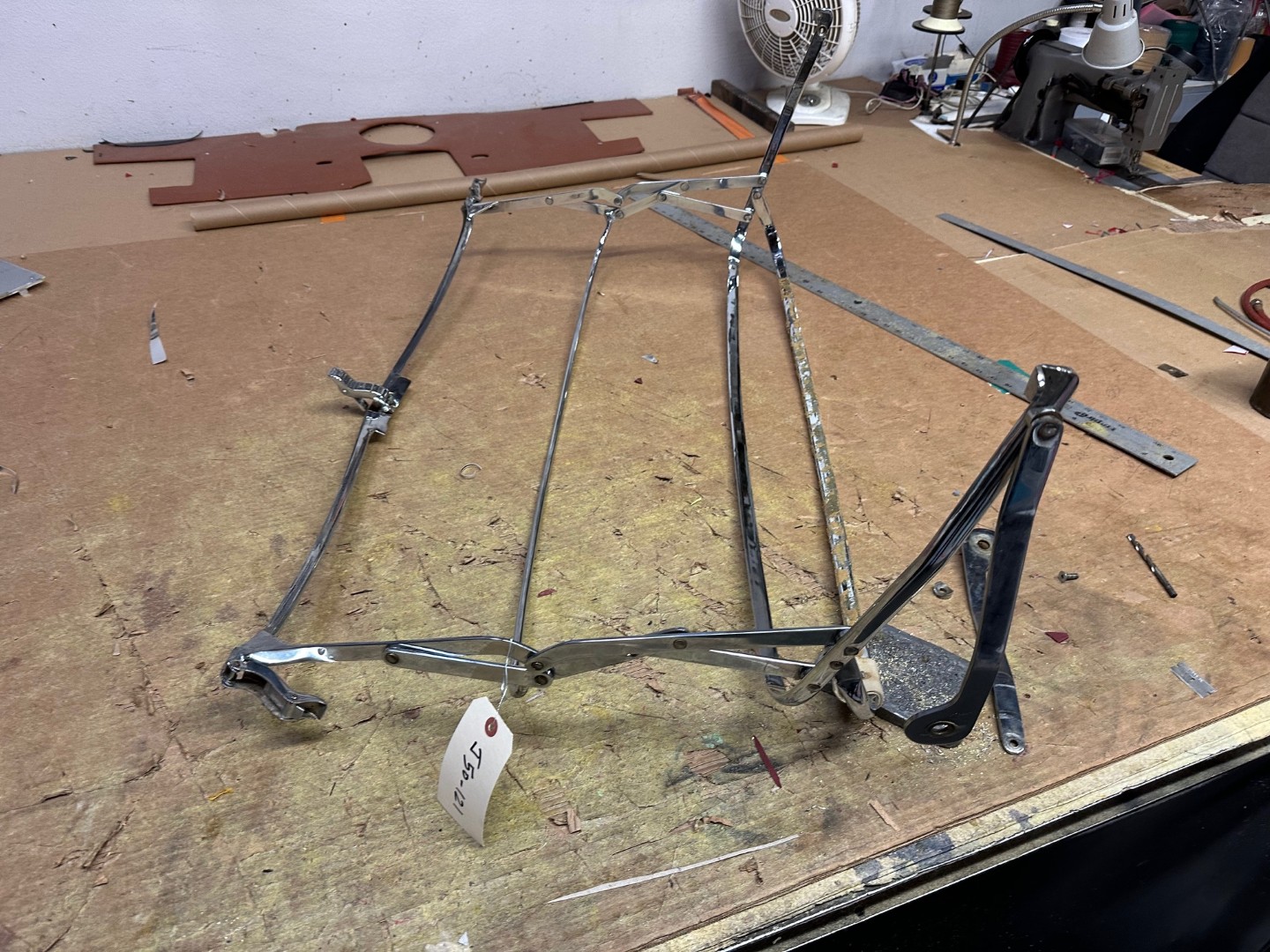
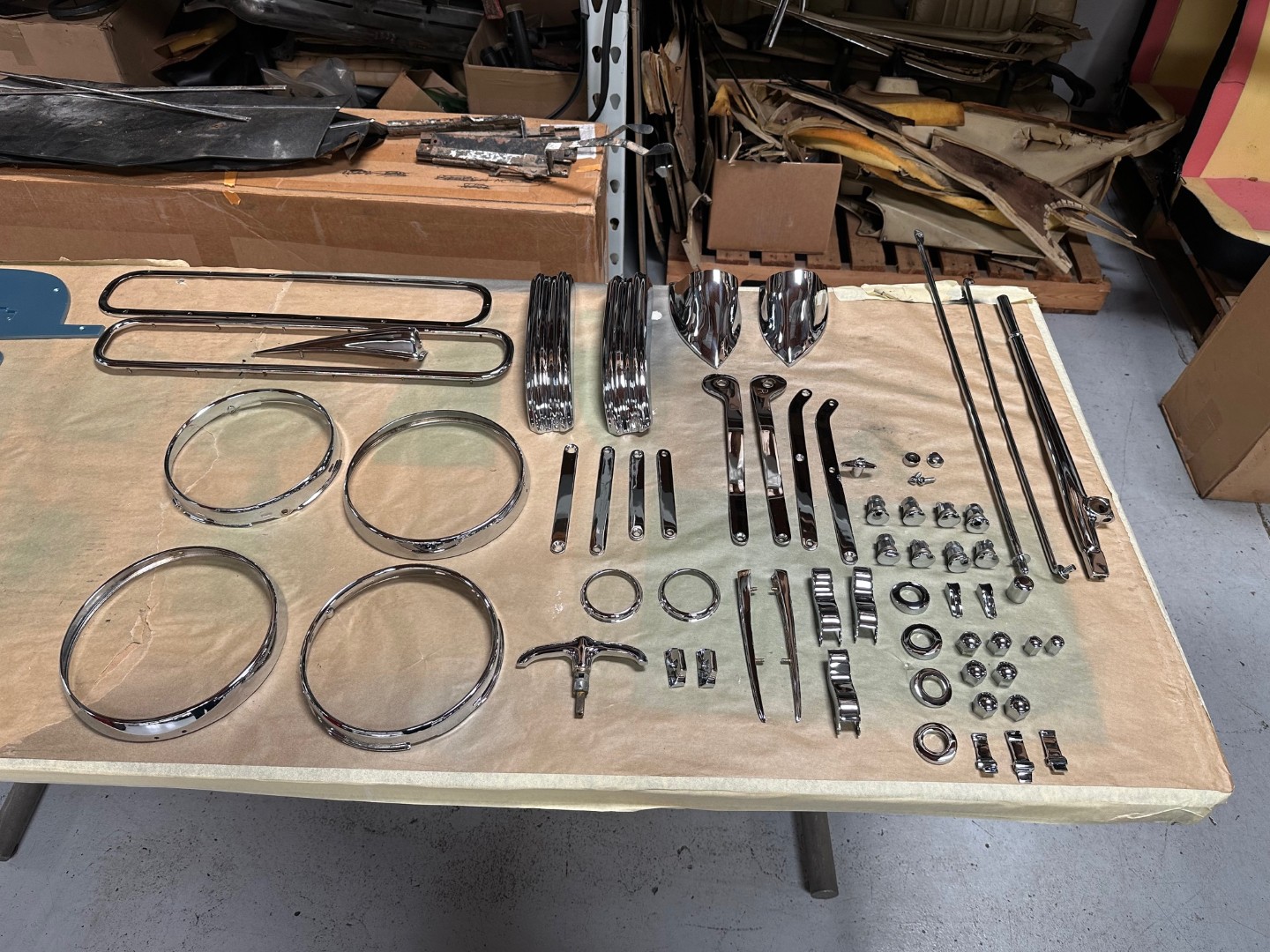
1949 and 1950. These include chromed top bows, a chromed prop rod, and
chromed seat bottoms and bases, all of which were later replaced with
painted steel to reduce production costs. The roadster still wears its
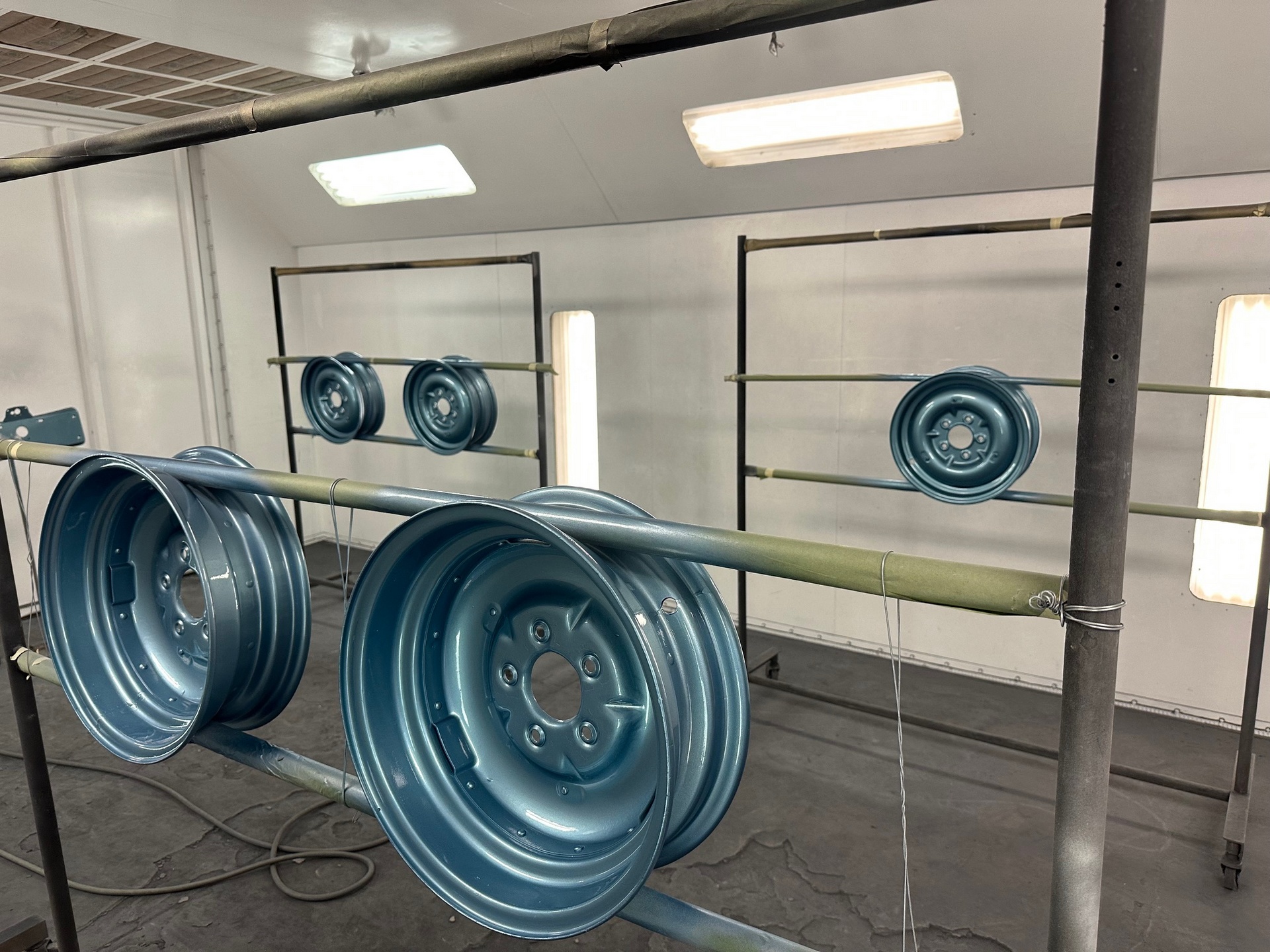
distinctive taller SU carburetors and its steel disc wheels with rear
spats, all features of the earliest cars.
This XK-120 has led a distinguished life. It was long owned by a
respected Jaguar enthusiast in Switzerland who participated in rallies
and European motoring events. The car then made its way to the United
States, where a prominent Southern California collector acquired it and
later drove it in the Colorado Grand. Completing the Colorado Grand is a
significant accomplishment for any vintage car, and especially
meaningful for one of this age, rarity, and construction. Classic
Showcase later reacquired the XK-120 and performed an extensive
servicing and update to prepare it for the next chapter of its life.
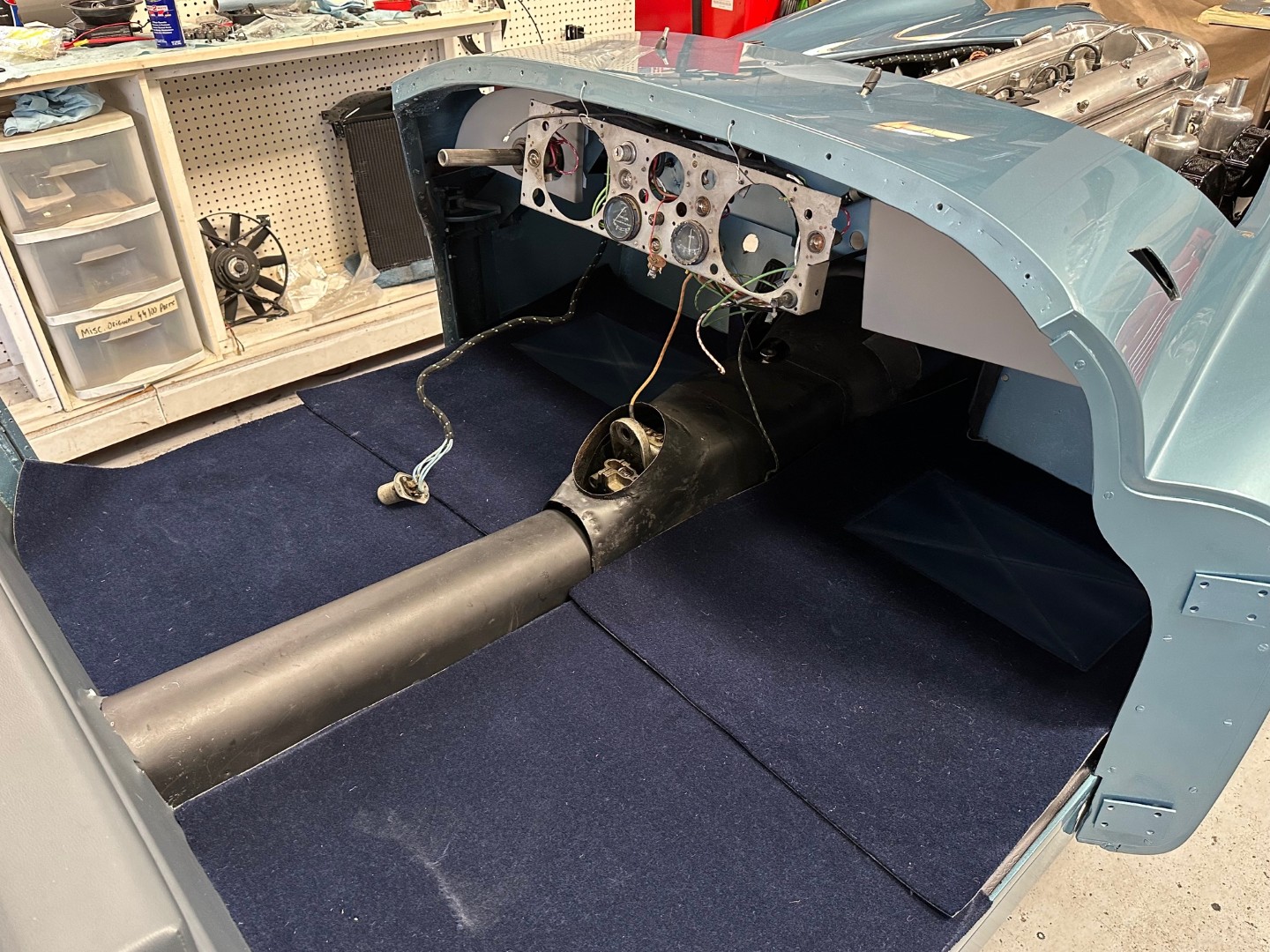
Restoring an Alloy-bodied XK-120 requires a level of skill that differs
from work on later steel-bodied cars. Every panel was originally shaped
by hand. Every curve reflects the art of early postwar coachbuilding.
Lightweight aluminum is both delicate and expressive, and preserving its
authenticity demands patience and deep knowledge of Jaguar’s defining
early era.
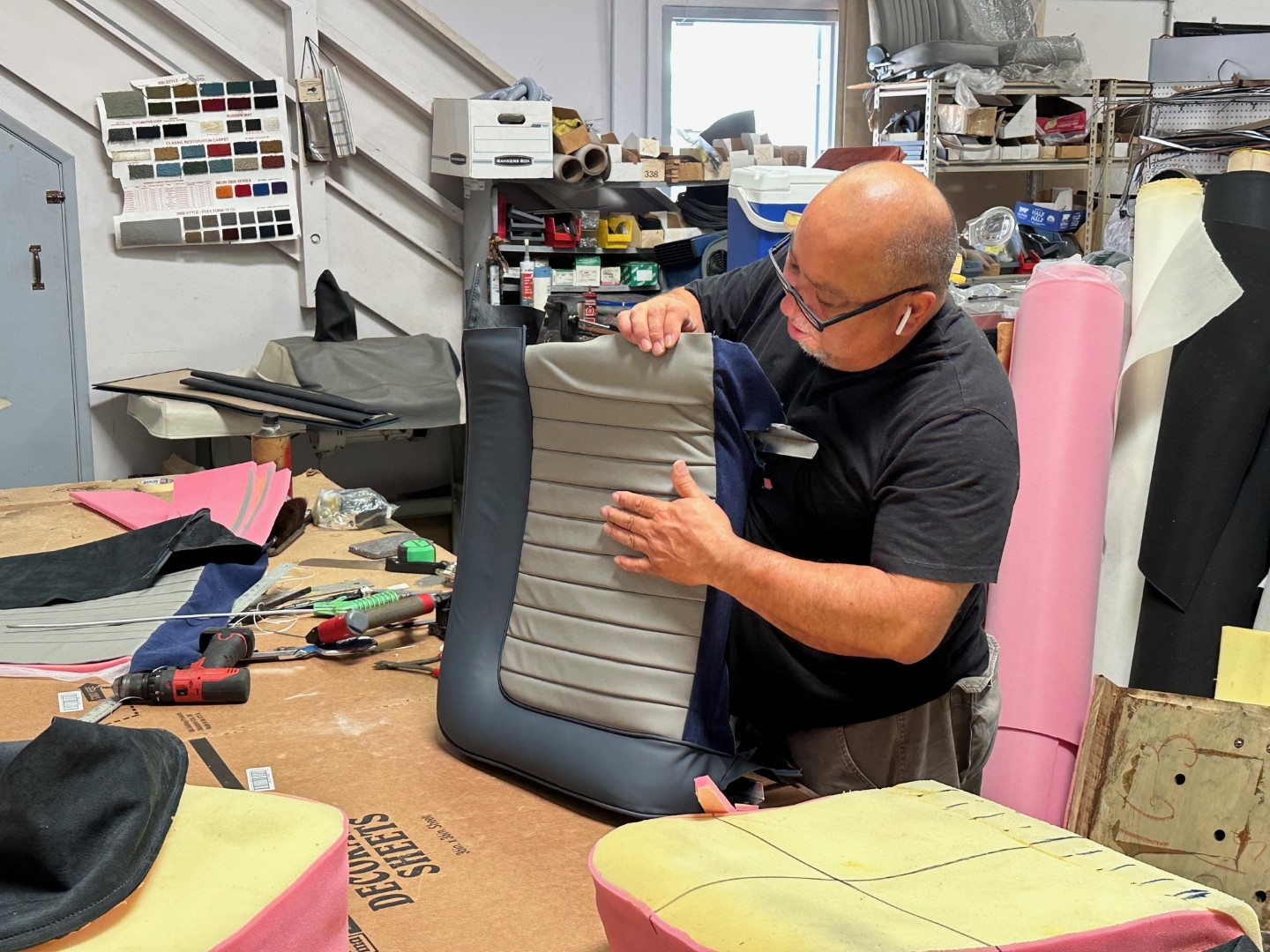
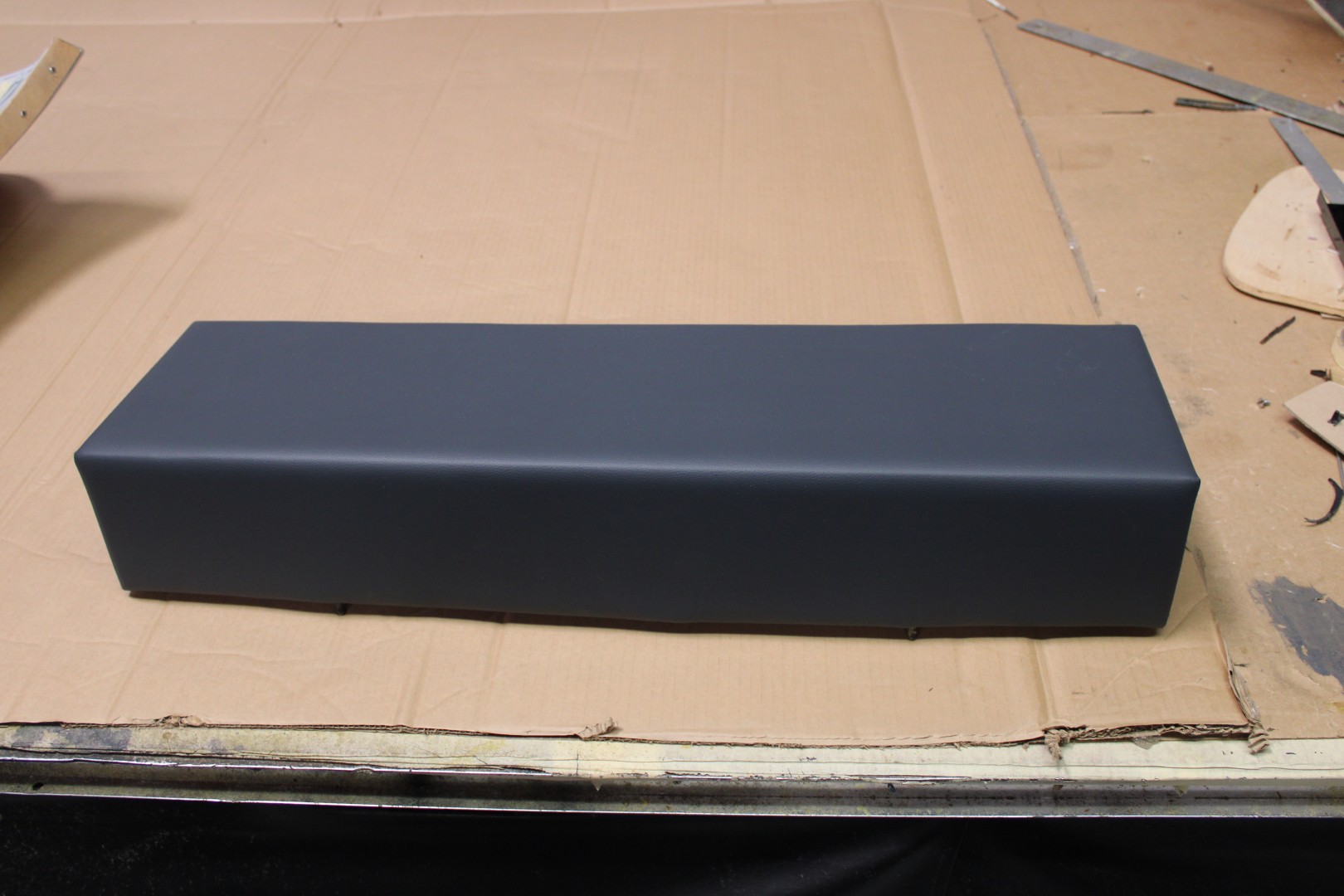
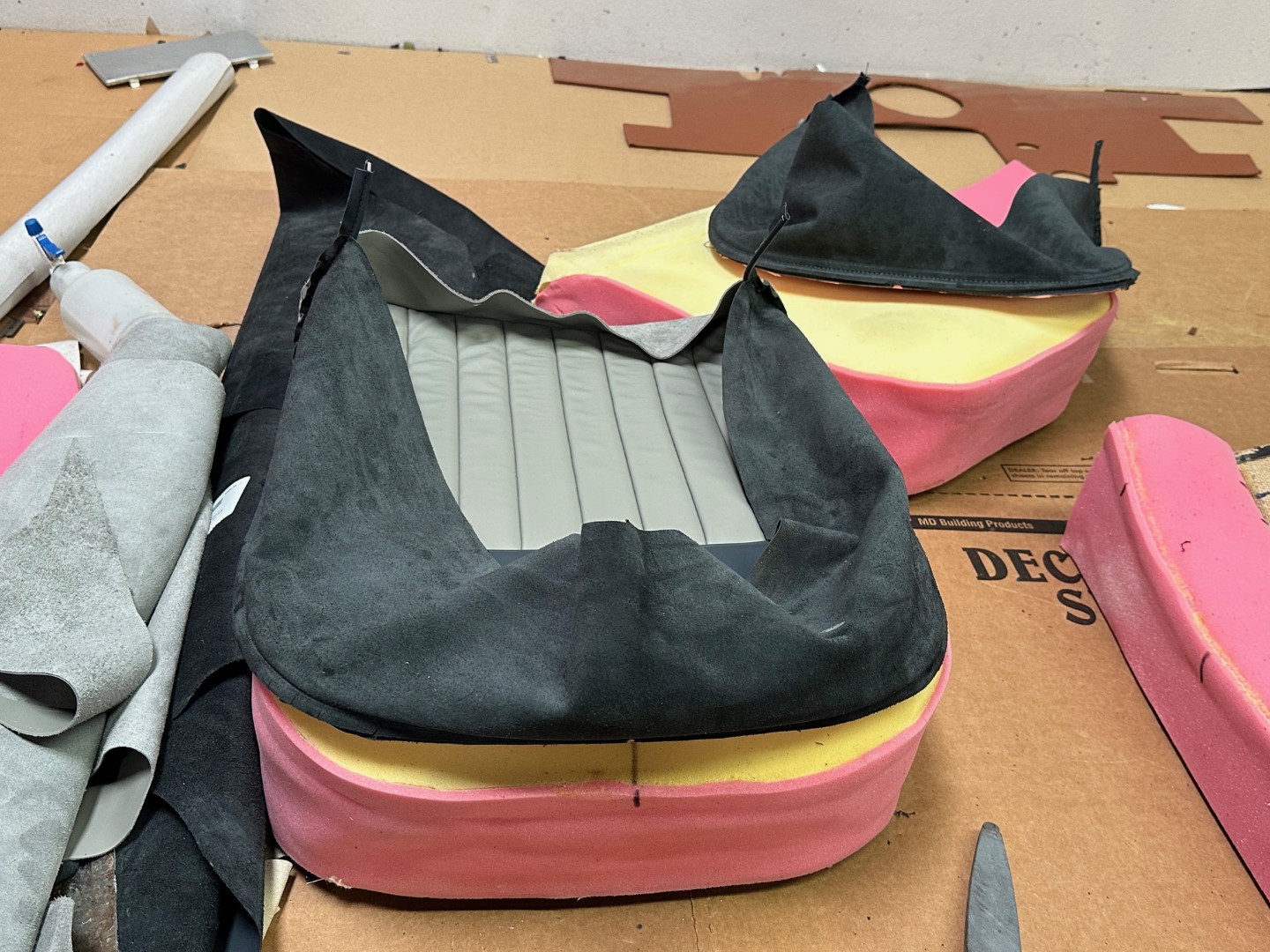
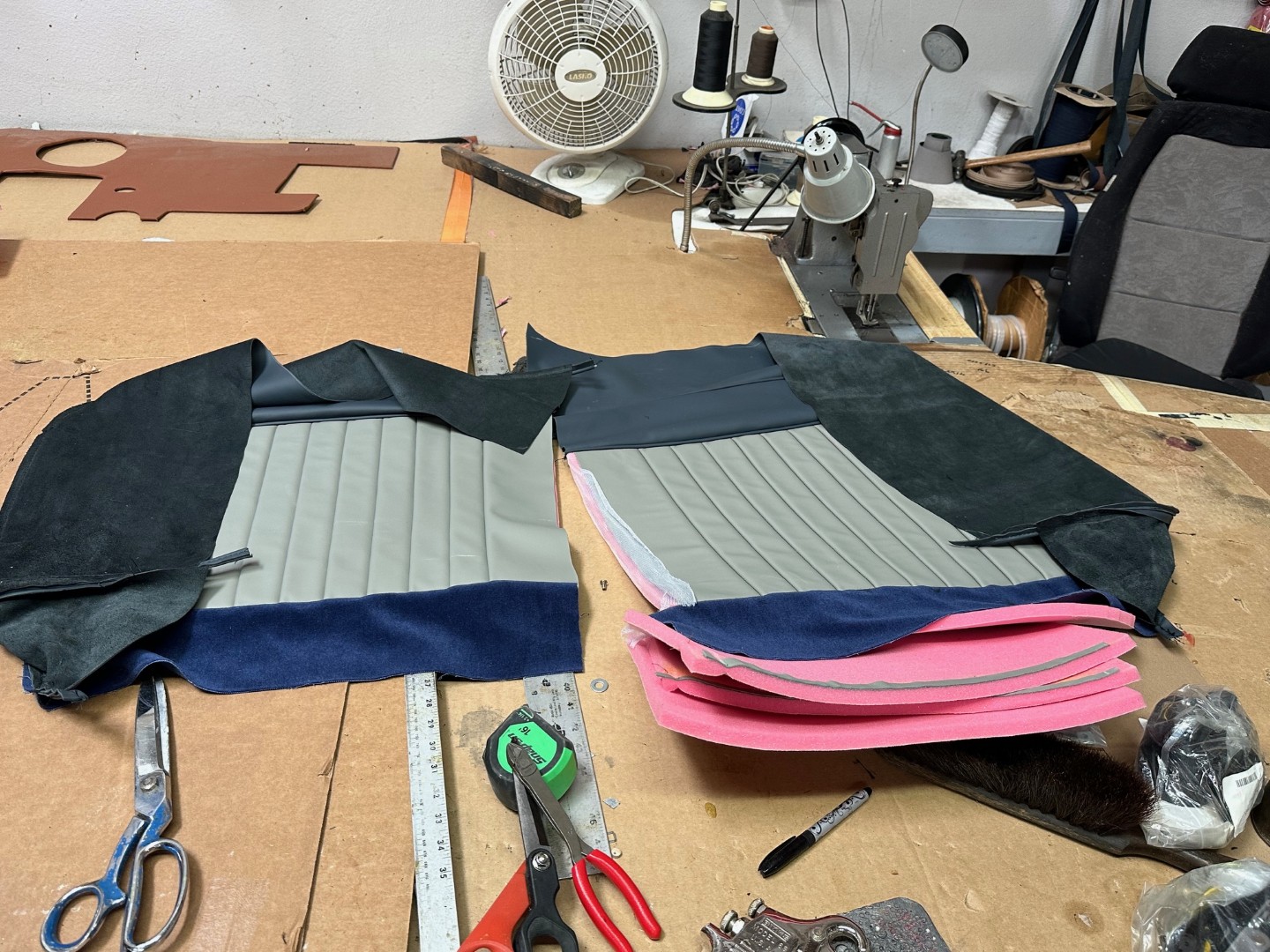
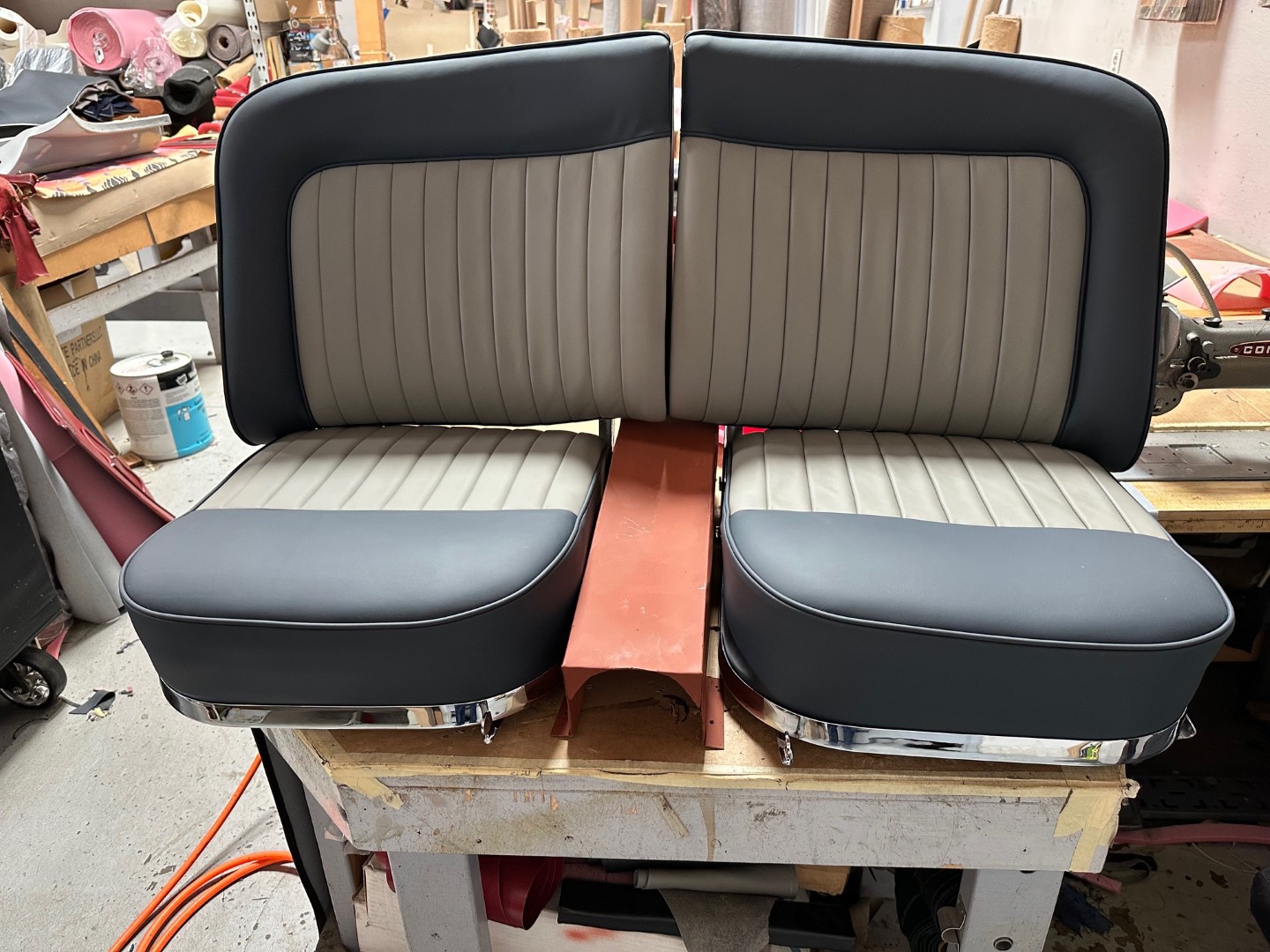
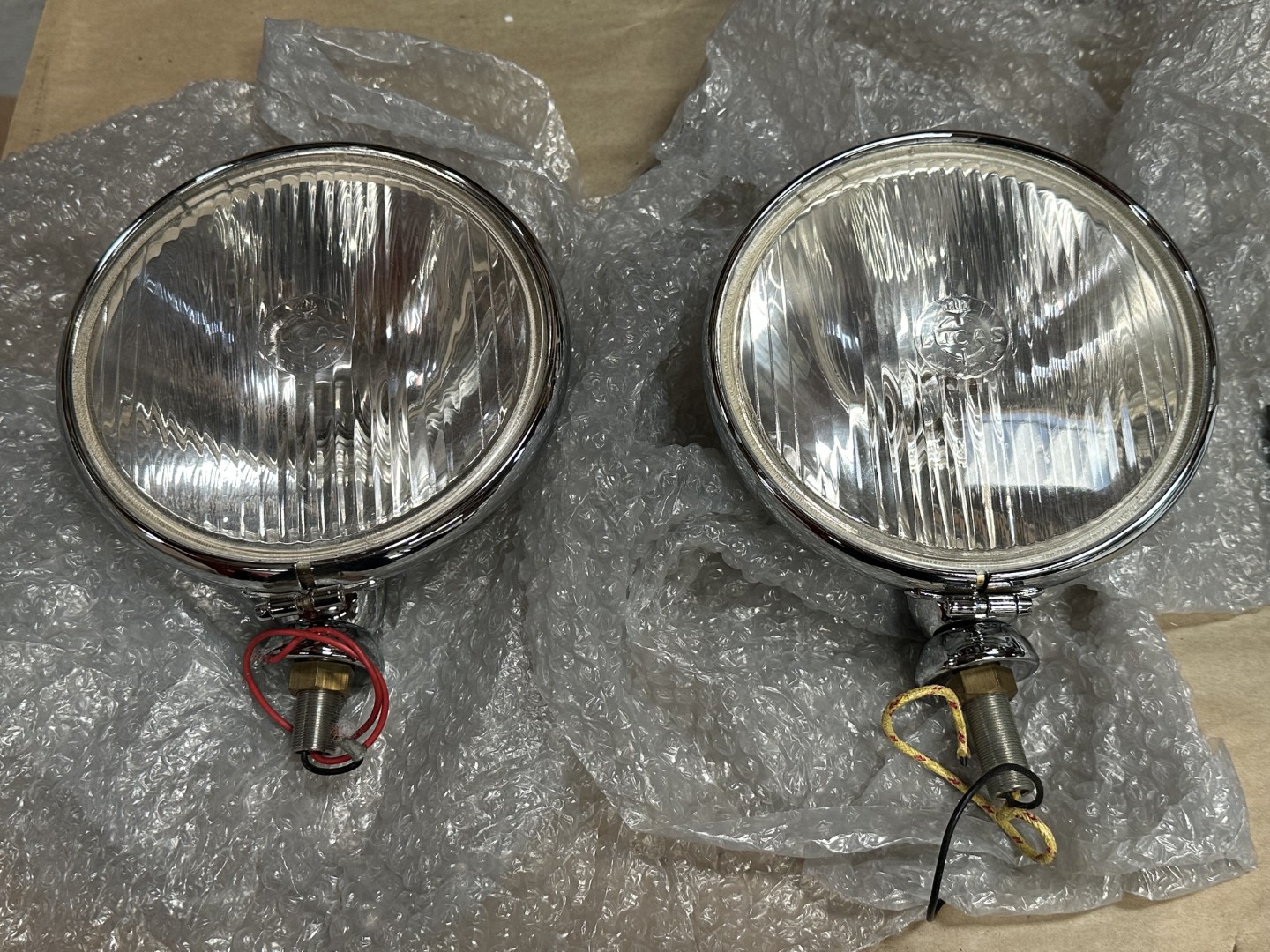
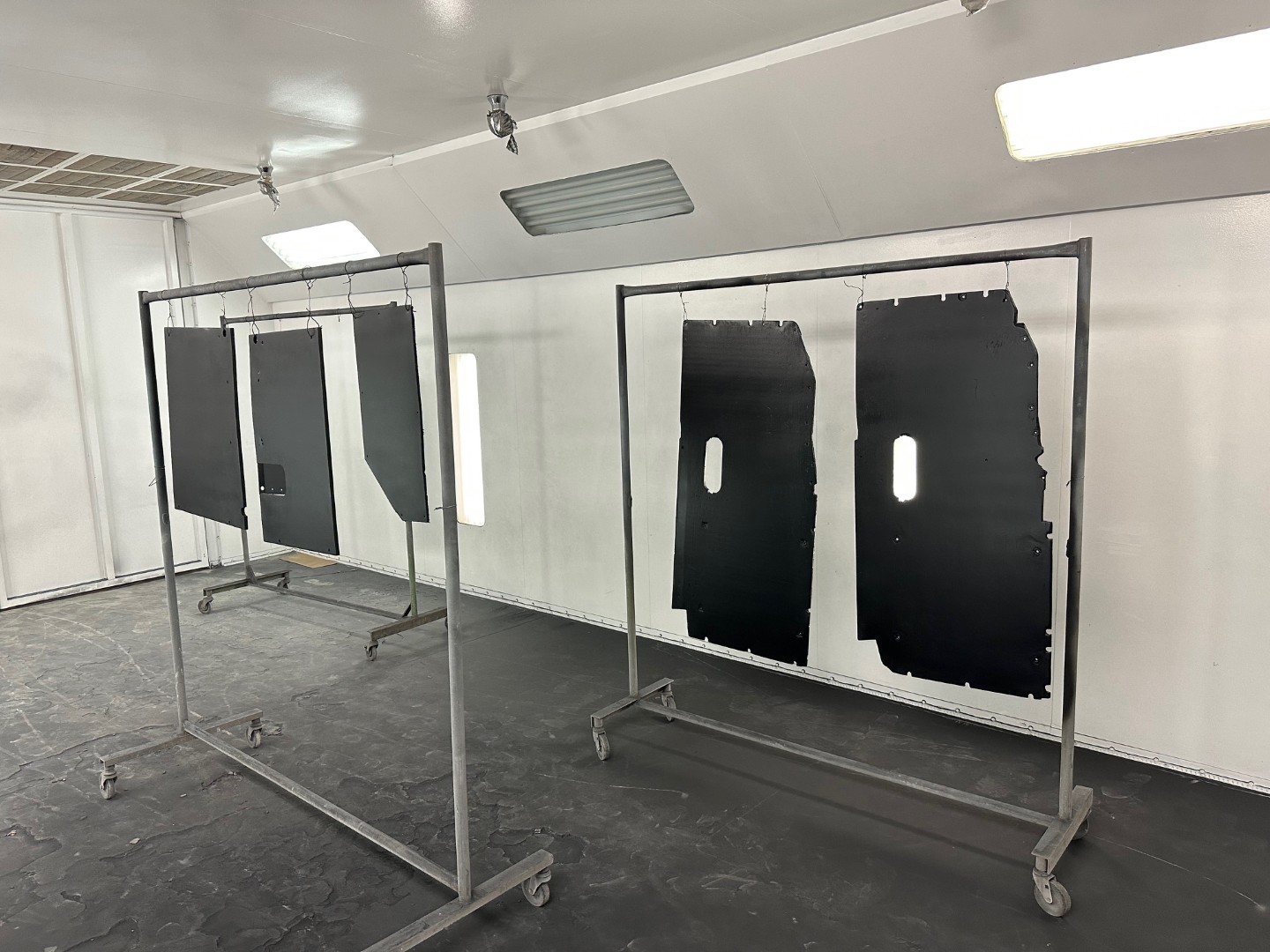
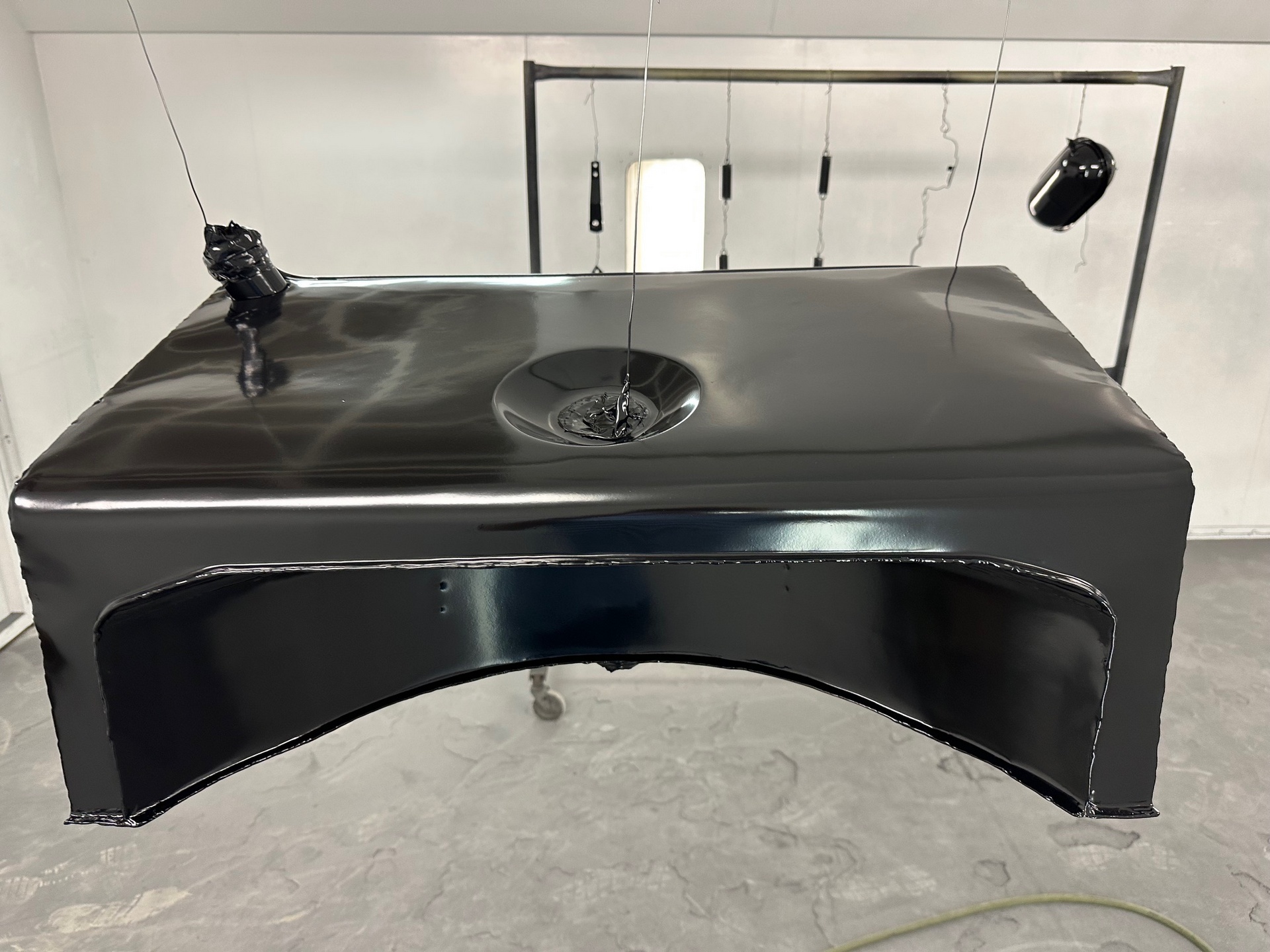
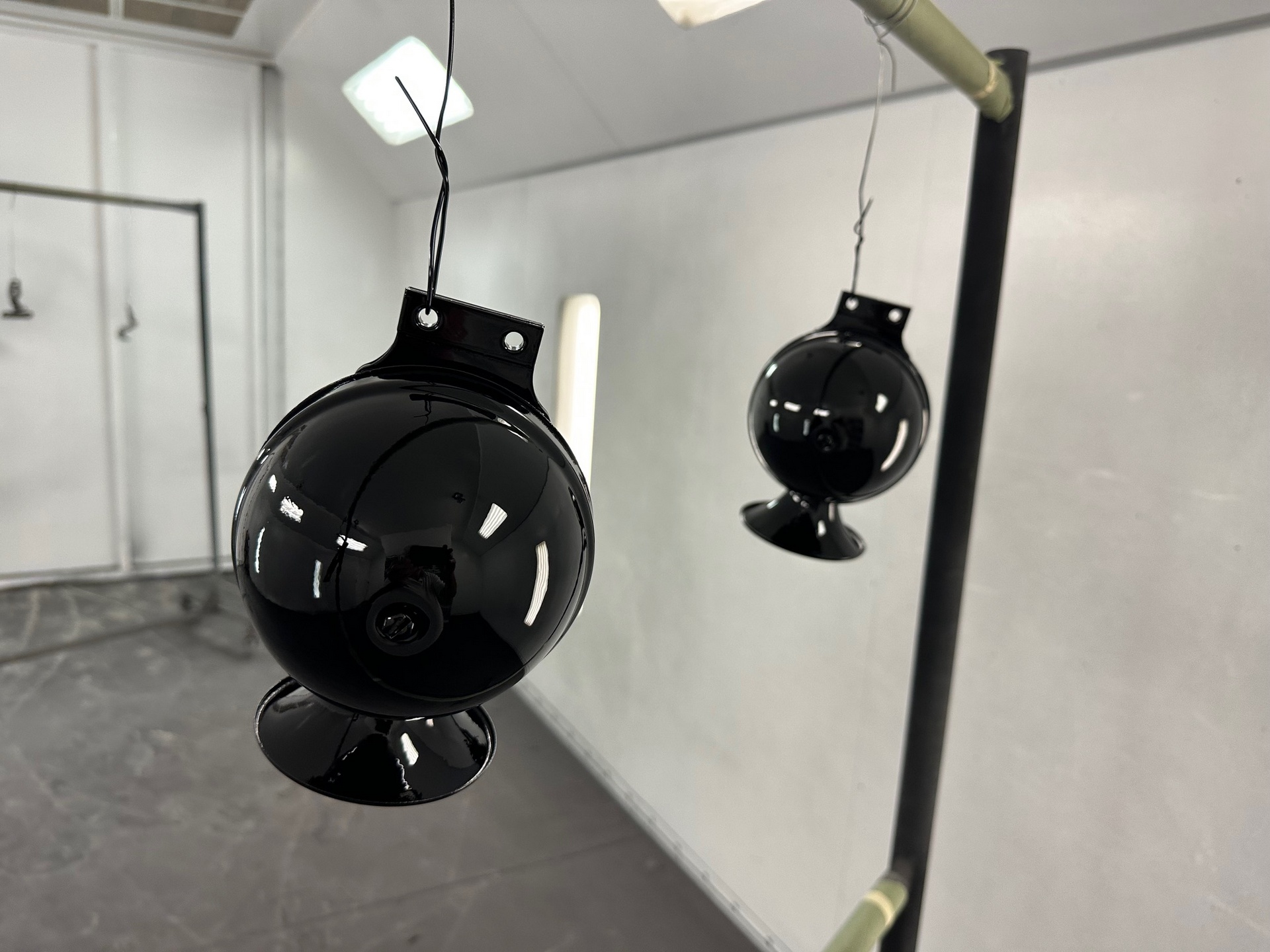
Our current restoration focuses on the body, interior, and
brightwork. Since the mechanical systems were found to be in excellent
condition, they will be preserved and meticulously serviced rather than
rebuilt. This approach allows the car to retain its authenticity while
elevating the cosmetic presentation to the level expected of a
world-class example. Interior materials, metal finishing techniques, and
period-correct details are all being addressed with an eye toward
maintaining originality while revitalizing the roadster’s presence. Each
step is documented, ensuring that the restoration honors both the
heritage and the handmade qualities that define the Alloy-bodied XK-120.
The Alloy-bodied XK-120 represents the genesis of Jaguar’s postwar
success and the beginning of a lineage that would lead to some of the
most celebrated sports cars ever produced. Cars of this type seldom come
to market, and fewer still offer the level of originality and
documented history found in this example.
This roadster comes complete with a Jaguar Daimler Heritage Trust
Certificate, tool roll, jack, and owner’s manual. When the restoration
is complete, it will stand as a museum-grade representation of one of
the rarest and most influential Jaguars ever built.
We look forward to sharing progress updates as the restoration
continues. For now, the car sits within our shop as both a
responsibility and a privilege, a rare opportunity to bring back to life
one of Jaguar’s earliest and most important creations!